
MARINE INSURANCE & RISK
$39.9bn market flying blind on environmental risk
NIRA provides continuous, independent, location-specific water quality and environmental intelligence — the baseline data that insurers, P&I clubs, and underwriters have never had before.
Talk to Us
THE CHALLENGE
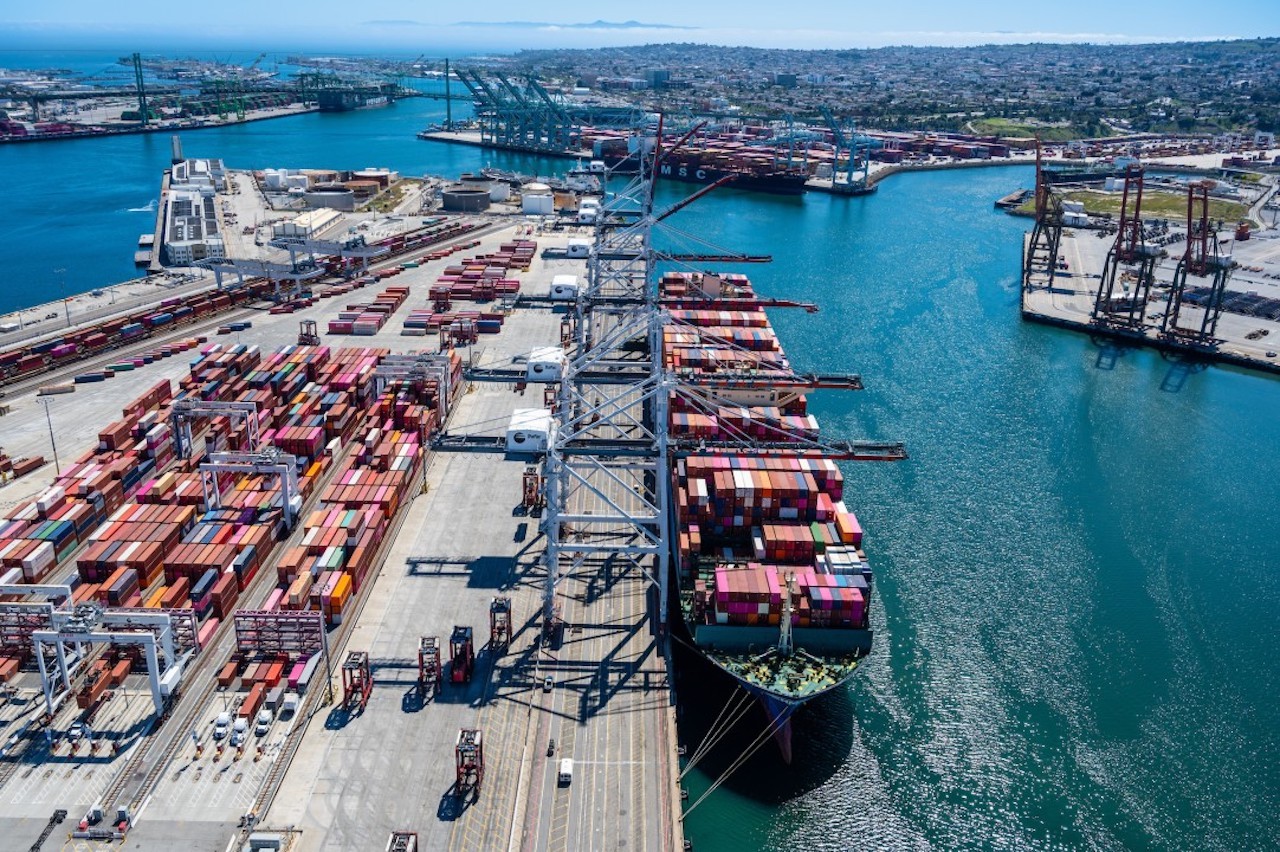
No insurer or P&I club has a continuous environmental baseline at a single port or anchorage.
No Port-Level Environmental Baseline
Corrosion and biofouling risk varies substantially by port microenvironment — yet H&M underwriting rates all vessels in a region identically. No insurer today has access to a continuous, independent water quality dataset at a named berth or anchorage.
Pollution Liability Without Evidence
When a pollution incident occurs, the chain of evidence depends on pre-incident baseline water quality data — which almost never exists. Without it, causation is contestable in courts and arbitral tribunals, and settlements escalate. EMSA CleanSeaNet has a 3–6 day SAR revisit cycle — too slow for most incidents.
Climate and Shadow Fleet Risk — Unmeasured
~17% of the global tanker fleet operates as a shadow/non-transparent fleet (IUMI, 2025) — largely outside inspection and reporting frameworks. Cape of Good Hope rerouting since 2024 has spiked H&M heavy-weather claims. TCFD requires clubs to quantify climate tail risk they cannot currently measure.
$39.9bn
Global marine insurance premiums (2024)
17%
Global tanker fleet operating as shadow/non-transparent
USD 2.35bn
IGP&I Group Excess of Loss cover per incident
£823m
IOPC Funds paid since 1978 — 155 incidents
HOW NIRA HELPS
The environmental baseline the market has been missing.
NIRA creates the continuous, independent, location-specific environmental record that enables better underwriting, stronger evidence in claims, and real-time pollution detection.
→ Port and anchorage water quality baseline — continuous salinity, temperature, turbidity, DO, and biological activity data for H&M risk differentiation
→ Pre-incident environmental record enabling causation attribution in pollution claims and wreck surveys
→ Real-time pollution detection faster than satellite SAR revisit cycles — critical for early evidence capture
→ Climate tail risk quantification — continuous data feeds TCFD and climate exposure modelling for P&I clubs and underwriters
KEY METRICS
The financial scale of marine environmental risk.
€800m+
Prestige (2002) clean-up and compensation
~63,000 tonnes spilled off Galicia. Total clean-up and compensation exceeded €800m. Modern single large spill clean-up costs run USD 50–300m. Pre-incident environmental baselines reduce litigation costs.
$150–200bn
Annual fuel losses from biofouling (global shipping)
Industry-widely cited estimate. Biofouling-related hull degradation rarely surfaces as a discrete H&M claim — it emerges as machinery damage, dry-docking disputes, or constructive total losses on ageing vessels.
$500m
Hebei Spirit (2007) damages claimed
~11,000 tonnes spilled; South Korea claimed USD 520m in damages. IOPC Funds have paid £823m across 155 incidents since 1978 — only covering persistent oil from tankers under CLC/Fund Convention.
RELEVANT REGULATIONS
The regulatory framework shaping marine insurance risk.
MARPOL (Annexes I–VI)
Prevents operational pollution from ships — oil, noxious liquids, sewage, garbage, air emissions. Violations drive P&I club claims. Criminal fines run $1m–$4.5m per case. Bilge discharge violations are systematically under-reported.
CLC / Fund Convention (1992)
Civil liability for persistent oil pollution from tankers. Establishes the IOPC Fund compensation regime. IGP&I Group Excess of Loss structure covers up to USD 2.35bn per incident (GXL 2026/27).
Nairobi Wreck Removal Convention (2007)
Ship owners must remove wrecks hazardous to navigation or the environment. P&I clubs fund wreck removal operations and require rapid environmental intelligence to scope remediation costs — currently unavailable in real time.
Anti-Fouling Systems Convention (AFS)
Regulates use of organotin compounds in antifouling paints. Does not mandate environmental monitoring at berth — a gap that drives under-pricing of biofouling and corrosion risk in H&M policies.
TCFD Disclosure Requirements
Task Force on Climate-related Financial Disclosures requires P&I clubs and underwriters to quantify climate tail risk. No adequate data infrastructure exists today for port-level or voyage-level environmental exposure quantification.
Paris / Tokyo MoU PSC
Port State Control enforcement across European and Asia-Pacific waters. Concentrated Inspection Campaigns (CICs) create claims exposure — most recently on ballast water (2025). Environmental compliance drives deficiency rates.
Talk to us about your risk analysis requirements.
Whether you are a P&I club, H&M underwriter, marine liability insurer, or risk manager — NIRA provides the continuous environmental baseline your pricing and claims teams need.
Get in Touch